
Build an approval‑ready credit profile
Understand what’s driving your credit decisions, identify items that may be unfair or inaccurate, and take a structured next step toward stronger approvals and better terms.
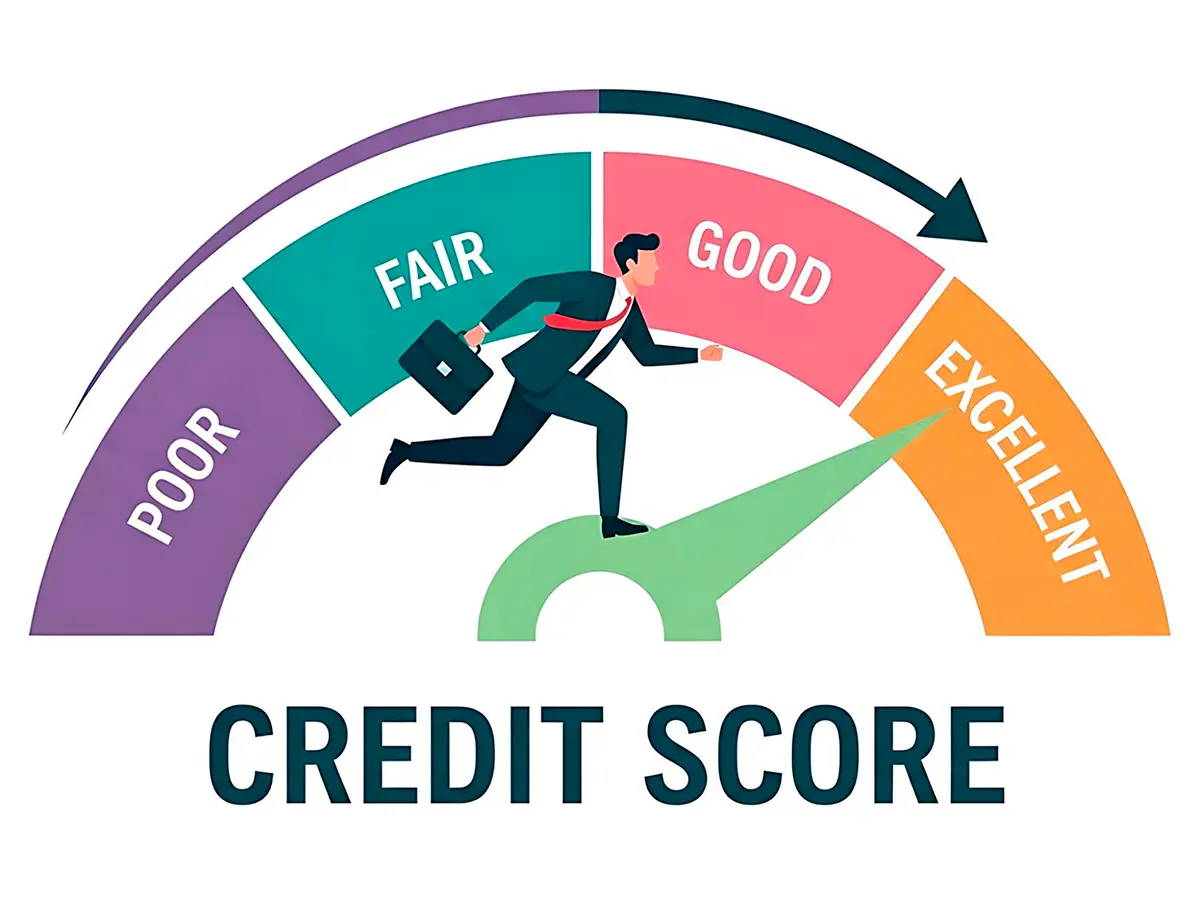
Built around established U.S. credit reporting practices and dispute procedures under the Fair Credit Reporting Act (FCRA). No unrealistic promises—just clarity, documentation, and structured credit improvement.
Unlock more options
Choose the outcome you care about. We’ll outline what improves it—and what to watch for—so you can move forward with confidence.
Your path to stronger credit
A stronger credit profile can mean better approval odds, improved loan terms, and more financial flexibility. Get a clear, no-fluff overview of what credit improvement can help you achieve — then take the next step when you're ready.
Credit decisions in the U.S. are typically influenced by payment history, utilization ratios, account age, recent inquiries, and the accuracy of reporting across major credit bureaus.
Even small inconsistencies can affect lending algorithms. A structured credit improvement approach focuses on verified data, responsible usage patterns, and consistent financial behavior.
*Results vary. This page does not guarantee outcomes.
How it works
A straightforward workflow used by reputable credit‑support programs: review, challenge what’s questionable, and build stronger habits while updates are processed.

Review your starting point
Clarify your goal and look at what’s currently affecting approvals and terms.

Identify what can be challenged
See what information is typically needed, what to expect next, and how the workflow usually looks.

Move forward
Continue to explore available options and take the next step toward better credit outcomes.
asap credit repair reviews: what finally tipped my decision as a returning user
I'm back after months of real use, sifting new asap credit repair reviews with a cooler head and a clearer budget. The first round, I chased promises; this time, I weighed outcomes against fees and time. I can't guarantee your path mirrors mine, but I've learned where reviews truly signal value - and where they're just noise.
What I prioritized in reviews
- Time-to-impact: Not just score jumps, but how quickly disputes moved.
- Communication: How often clients heard updates without nudging.
- Transparency on costs: Whether fees matched the contract and any "extras."
- Dispute strategy: Targeted challenges vs. scattershot letters.
- Exit experience: How easy it was to pause or cancel once goals were met.
One practical moment: I skimmed fresh asap credit repair reviews on my phone in a lender's parking lot, double-checking how others handled mid-process questions. That quick check spared me an impulsive cancellation; support replied within an hour, and the next round of disputes landed the same week.
What stood out - reviews vs. my results
Patterns across reviews felt mostly consistent with what I saw. Strong marks for steady communication and clear expectations; occasional frustration when stubborn items needed multiple rounds. For me, progress came in uneven bursts - quiet weeks, then a solid win. That cadence seemed normal in balanced reviews and matched my timeline.
- Pros I keep seeing - and felt: Responsive support, organized portals, and realistic framing of what's disputable.
- Cons to weigh: Slowdowns around holidays, and results that hinge on how quickly bureaus and furnishers play ball. Not a magic wand.
Costs vs. benefits, in real terms
Fees matter. I treated the monthly cost like an investment with a short leash: if progress stalled beyond a couple cycles, I'd pause. My benefit wasn't just a score bump; it was timing - qualifying earlier and sidestepping a higher interest tier. That difference over a year eclipsed a few months of service fees. Still, if your report has mostly accurate, recent negatives, the cost-to-impact ratio narrows. In that case, paying only for targeted items - or doing a DIY round - might be smarter.
How I'd decide now
- Map your target: Name 2 - 3 items you want addressed and a deadline tied to a real goal (lease renewal, refinance, job check).
- Audit recent reviews: Filter for updates in the last 3 - 6 months; note outcomes and timing, not just stars.
- Verify fit: Ask about strategy for your items, billing triggers, and how/when to pause.
- Set a checkpoint: Decide upfront when you'll reassess (e.g., after two dispute cycles).
My measured take: if your timeline is tight and your report has fixable inaccuracies, the service - and what many asap credit repair reviews describe - can justify the spend. If your negatives are accurate and recent, temper expectations, maybe start lean, and revisit once the age of items shifts in your favor. Either way, make the decision that best aligns with your goal, not just the glow (or glare) of any single review.
Not BBB Accredited. Credit Repair Services in Phoenix, AZ. See BBB rating, reviews, complaints, and more.
Do you agree with ASAP Credit Repair's 4-star rating? Check out what 24 people have written so far, and share your own experience.
ASAP Credit Repair - Communication of desire to speak to someone but I have yet to. Communication of desire to speak to someone but I have yet to receive said ...
Frequently asked questions
A clear next step — without the guesswork
See what’s impacting approvals and what may deserve a closer look.
Understand how disputes are structured and what documentation matters.
Improve utilization, consistency, and long-term credit stability.
See what improving your credit could change
Take a structured next step based on your current profile — and decide with clarity.